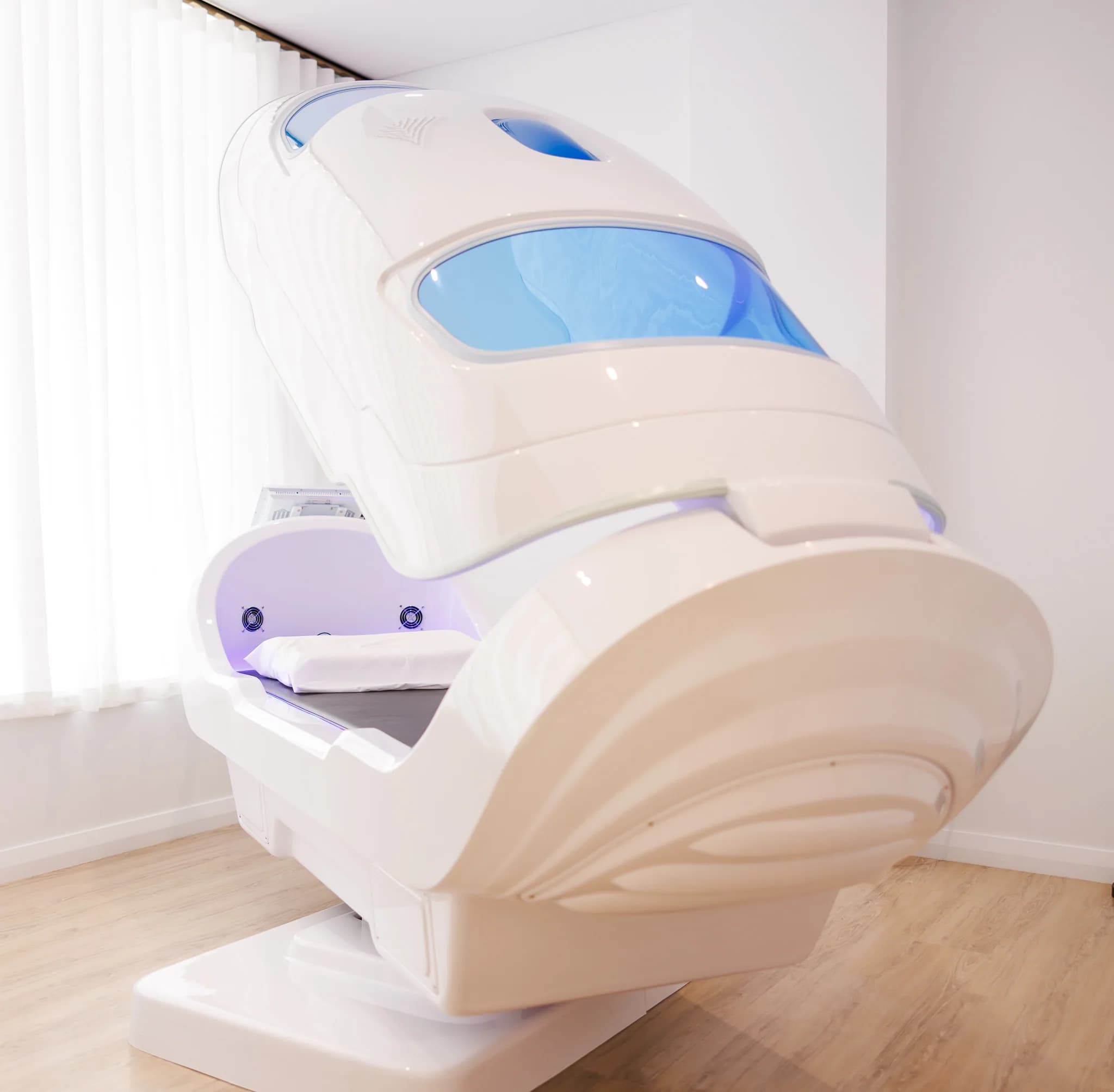
Theta Chamber in Perth.
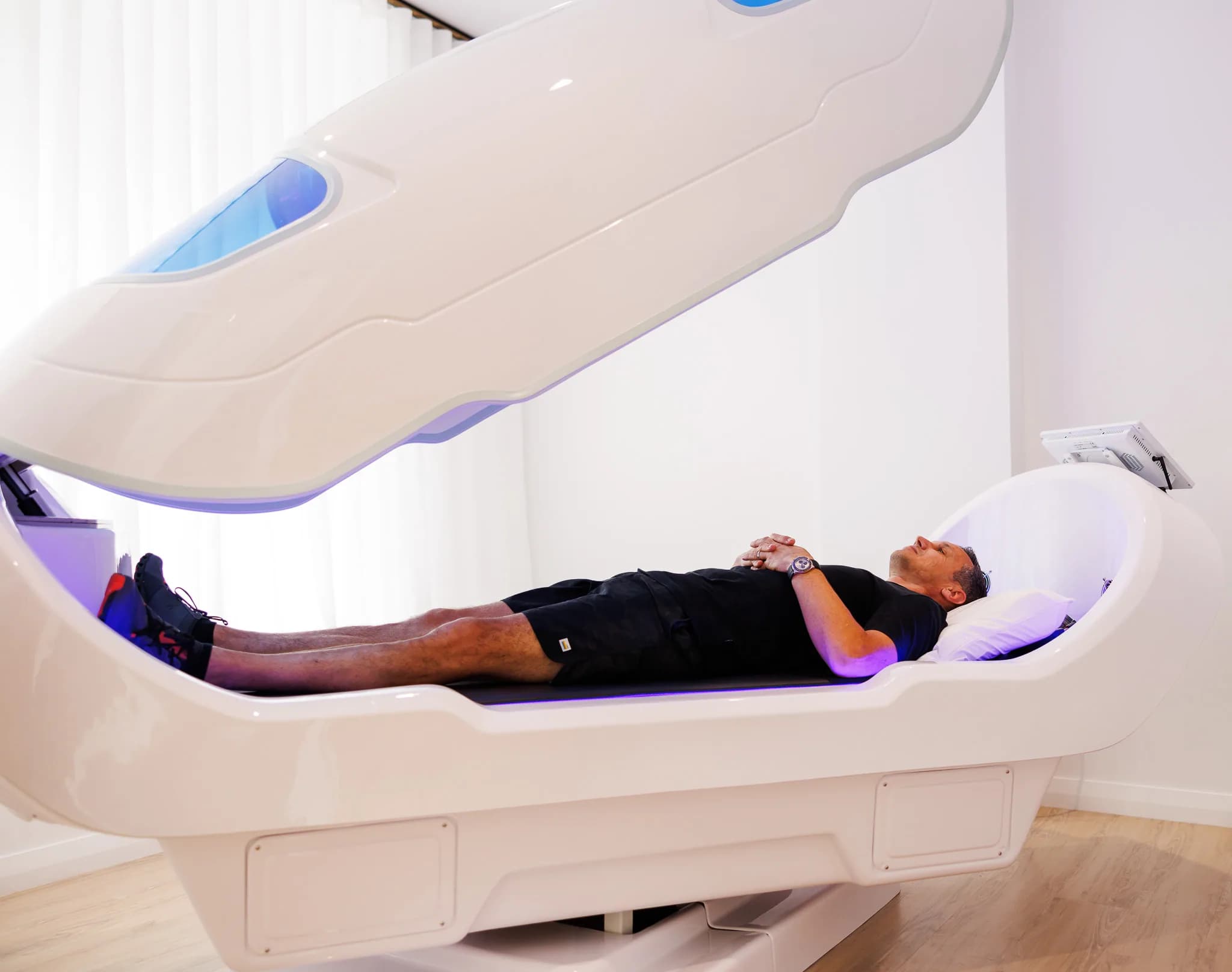
The Theta Chamber combines light, sound, vibration, motion, and guided sensory downregulation to help shift the body out of chronic stress activation and into a calmer neurological state. Sessions are commonly integrated into structured recovery plans for people experiencing burnout, stress overload, poor sleep, nervous system fatigue, emotional exhaustion, prolonged cognitive demand, or difficulty switching off. Rather than forcing recovery, the goal is to create the conditions where the nervous system can begin regulating itself more effectively over time.
This therapy is delivered as part of our structured protocols.
Theta sessions are rarely used as isolated experiences. At Element, they are typically integrated into broader recovery and regulation plans alongside Hyperbaric Oxygen Therapy, Red Light Therapy, and other recovery modalities where appropriate. The focus is consistency, pacing, and cumulative nervous system adaptation over time.
See protocols including Theta →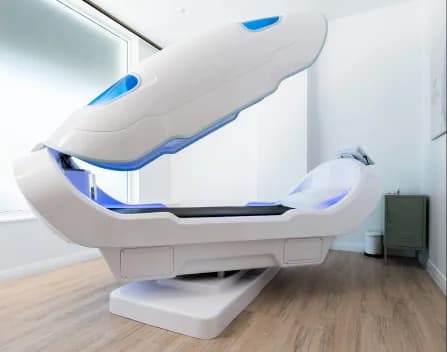
The science behind Theta.
The goal is not sedation. The goal is regulation.
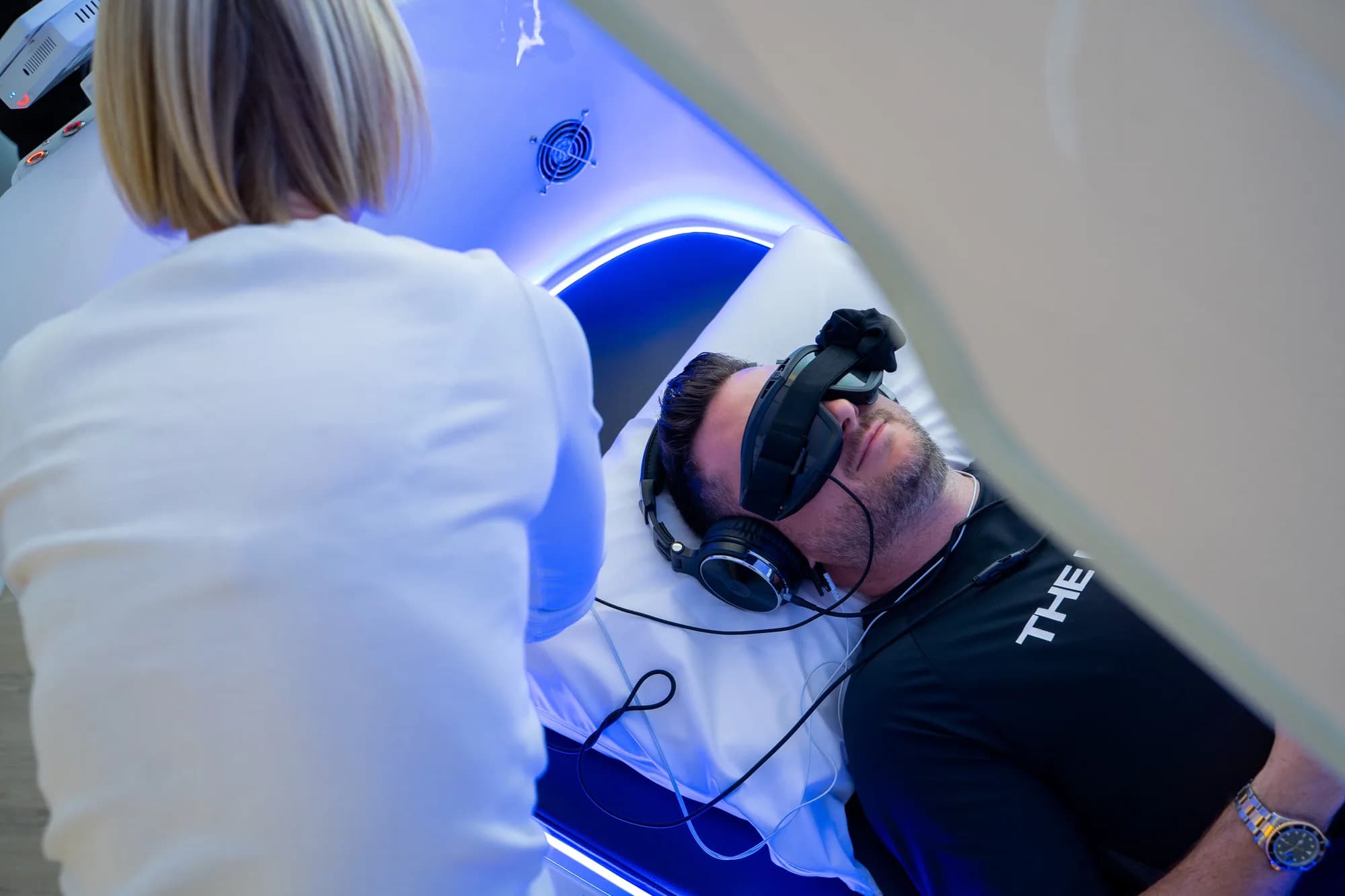
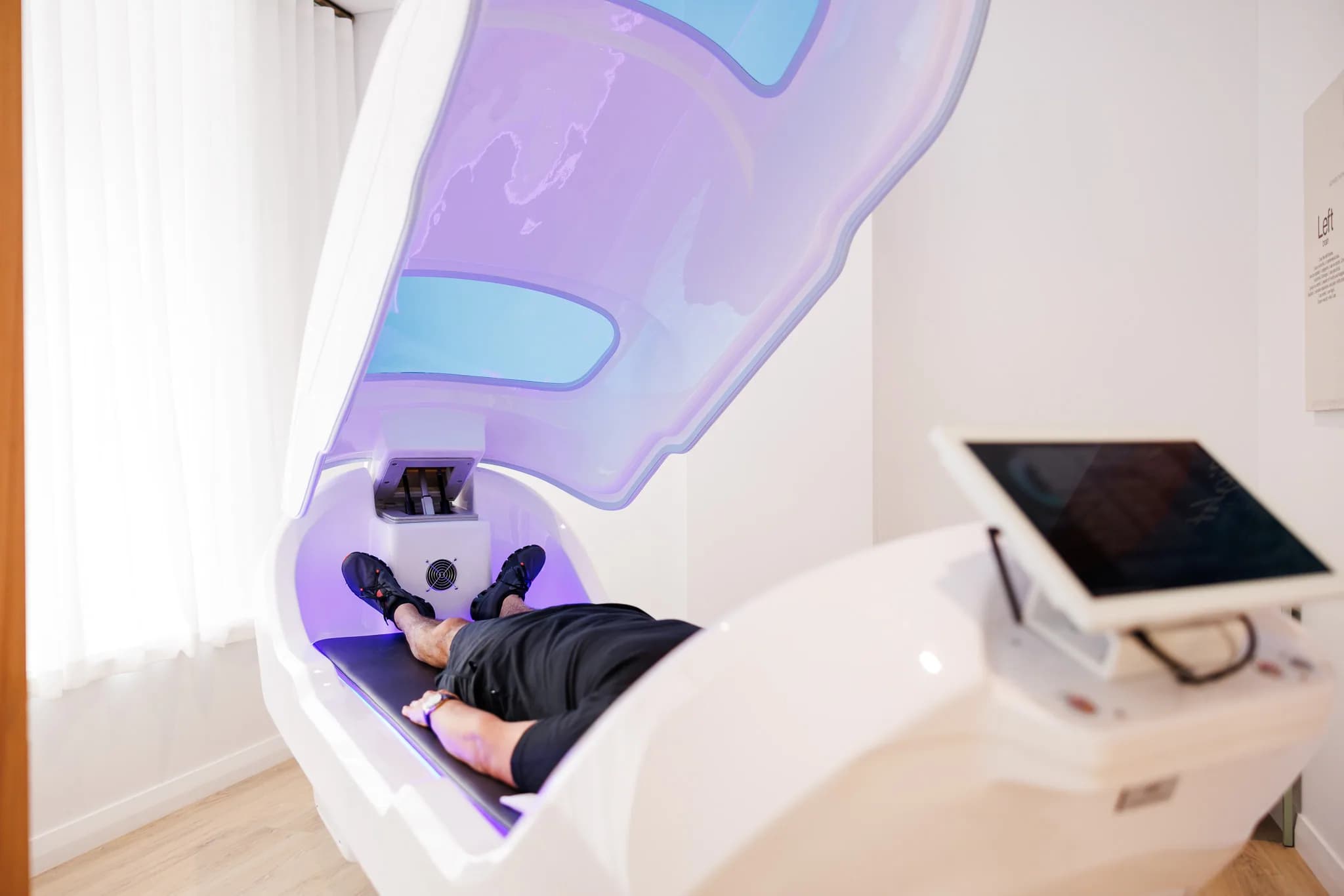
The Theta Chamber is designed to help reduce external stimulation and support the nervous system's ability to transition away from persistent fight-or-flight activation. Many clients describe sessions as deeply calming, grounding, mentally restorative, or emotionally decompressing, particularly during periods of prolonged stress, overwhelm, burnout, or nervous system overload. The experience combines multiple forms of guided sensory input designed to encourage slower neurological pacing associated with relaxation and recovery.
Multi-sensory nervous system regulation.
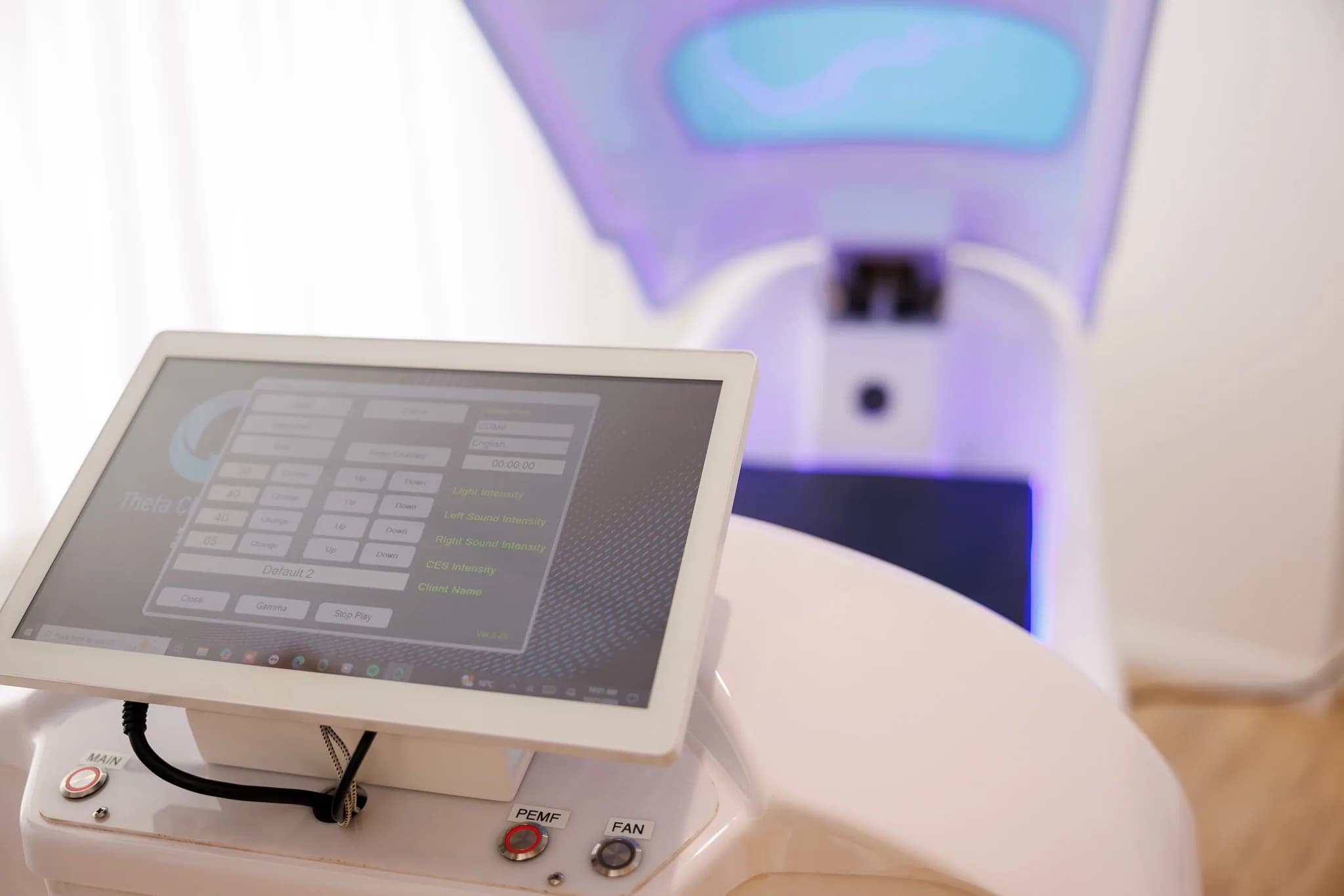
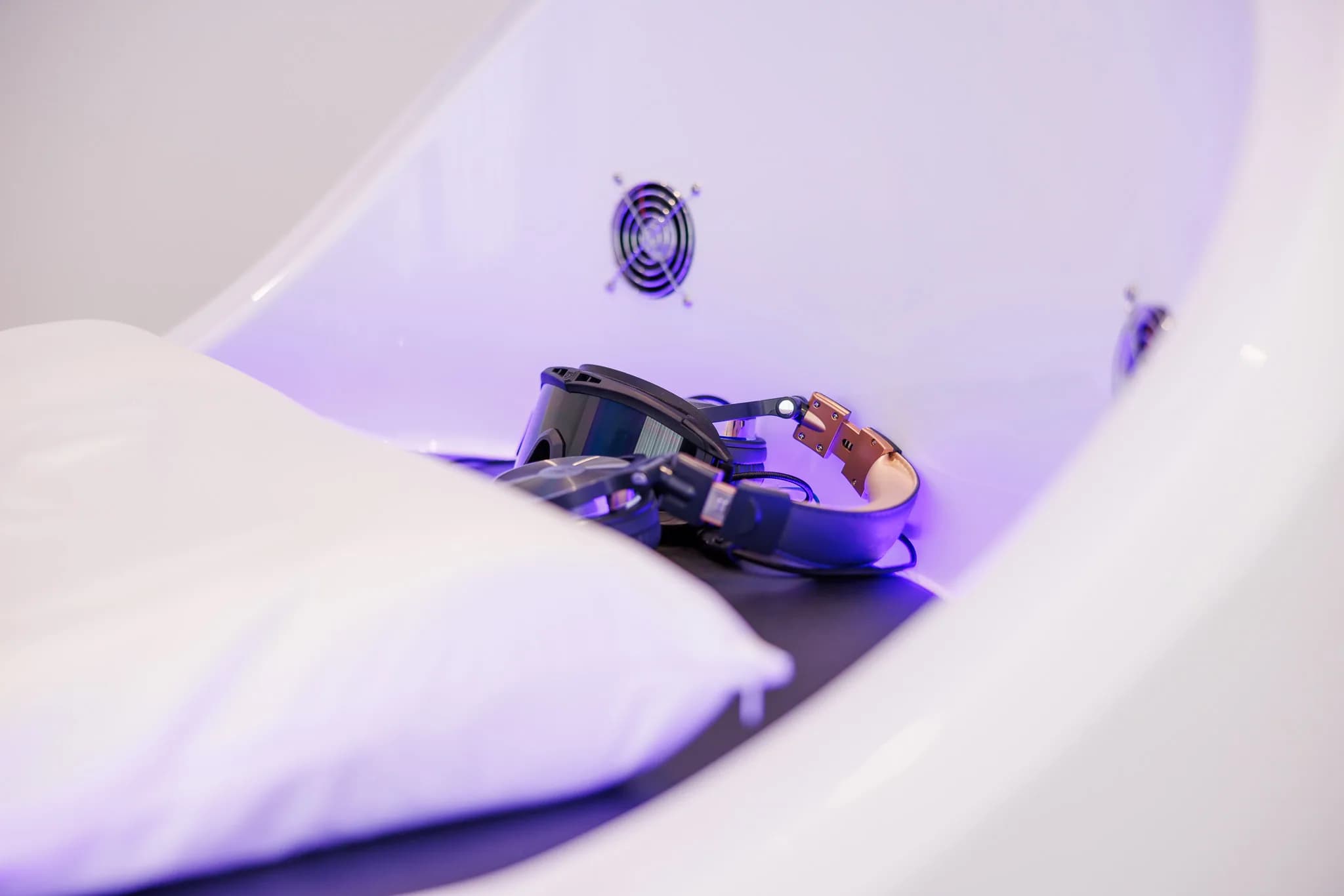
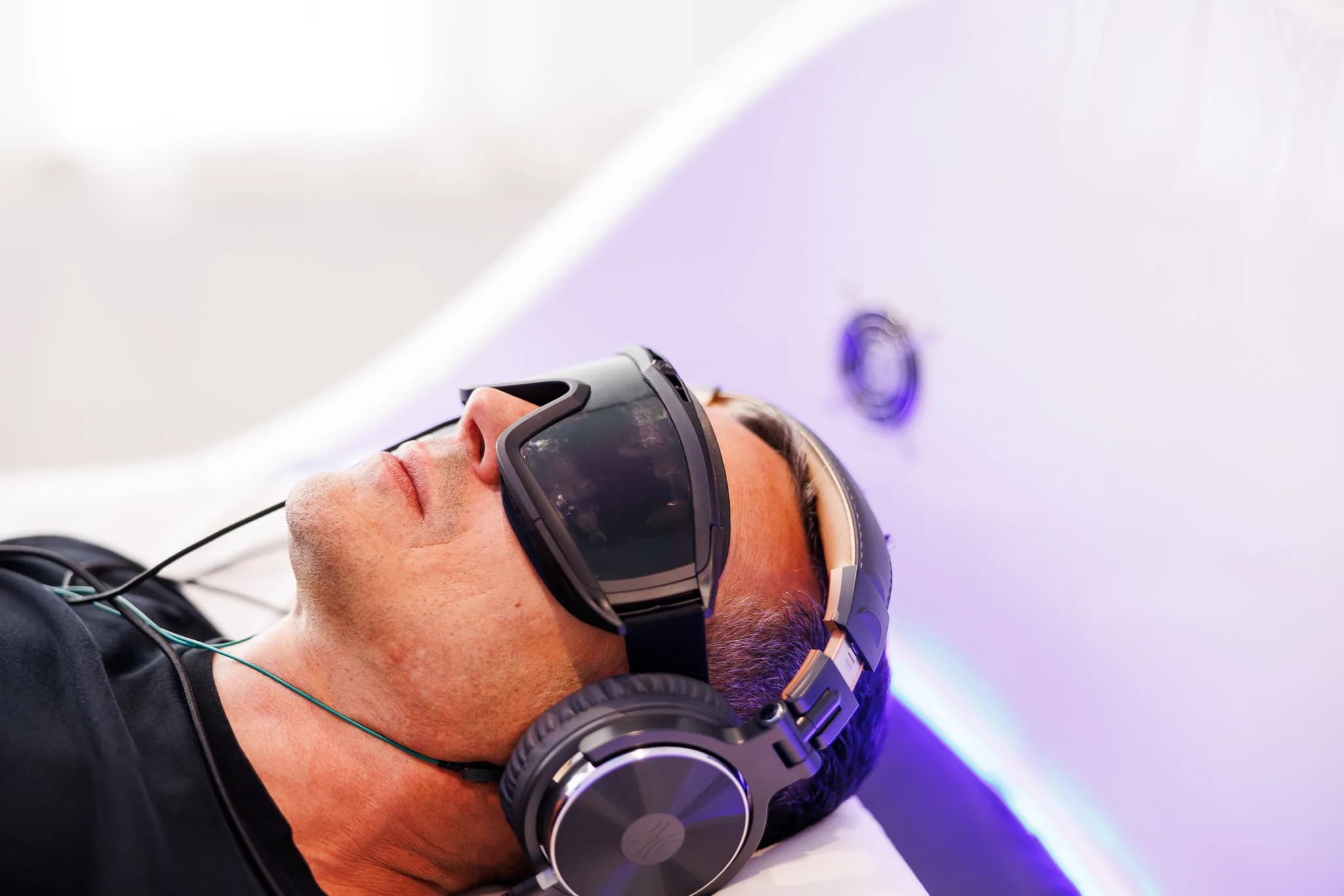
The Theta Chamber uses five forms of guided sensory input working together. Rhythmic light stimulation uses pulsed light patterns designed to support slower neurological pacing and reduced sensory load. Binaural audio delivers layered sound frequencies designed to encourage calm attentional states and mental decompression. Gentle vestibular motion uses slow rotational movement intended to support parasympathetic regulation and reduce hypervigilance. Pulsed electromagnetic field stimulation (PEMF) provides low-intensity electromagnetic stimulation commonly used within broader recovery environments. Cranial electrostimulation delivers gentle microcurrent stimulation designed to support nervous system downregulation and relaxation.
What theta therapy supports.
Nervous system downregulation
Supports transition away from prolonged stress activation and sympathetic overload.
Stress recovery
Commonly used during periods of sustained pressure, emotional fatigue, or nervous system exhaustion.
Burnout and mental fatigue
May help support decompression and mental recovery during periods of prolonged cognitive demand.
Sleep quality
Often integrated into recovery plans where poor sleep, overactivation, or difficulty switching off are contributing factors.
Emotional decompression
Designed to reduce external sensory load and support calmer nervous system states.
Calm focus and clarity
Some clients report improved concentration, steadier attention, and reduced mental noise following sessions.
What to expect.
Frequently asked questions.
Is the Theta Chamber a medical treatment?
No. The Theta Chamber is a wellness and recovery technology designed to support nervous system regulation, relaxation, and recovery experiences. It is not intended to diagnose, treat, cure, or prevent disease.
Do I need meditation experience?
No. The experience is guided passively through sensory pacing and does not require meditation skill or prior experience.
What does the chamber feel like?
Most people describe the experience as calming, immersive, grounding, or mentally quietening. The chamber includes gentle movement, light stimulation, and layered audio.
Can Theta be combined with other therapies?
Yes. Theta is commonly integrated alongside Hyperbaric Oxygen Therapy, Red Light Therapy, and broader recovery protocols.
Is Theta available at all locations?
Theta Chamber sessions are currently available at our Claremont centre.
Why consistency matters.
The nervous system responds more effectively to repetition than isolated exposure. For this reason, Theta sessions are commonly delivered within structured recovery plans where frequency and pacing are intentionally guided over time. Some clients attend weekly as part of broader recovery support, while others complete more intensive recovery blocks during periods of heightened stress or nervous system overload.
Available in Claremont.
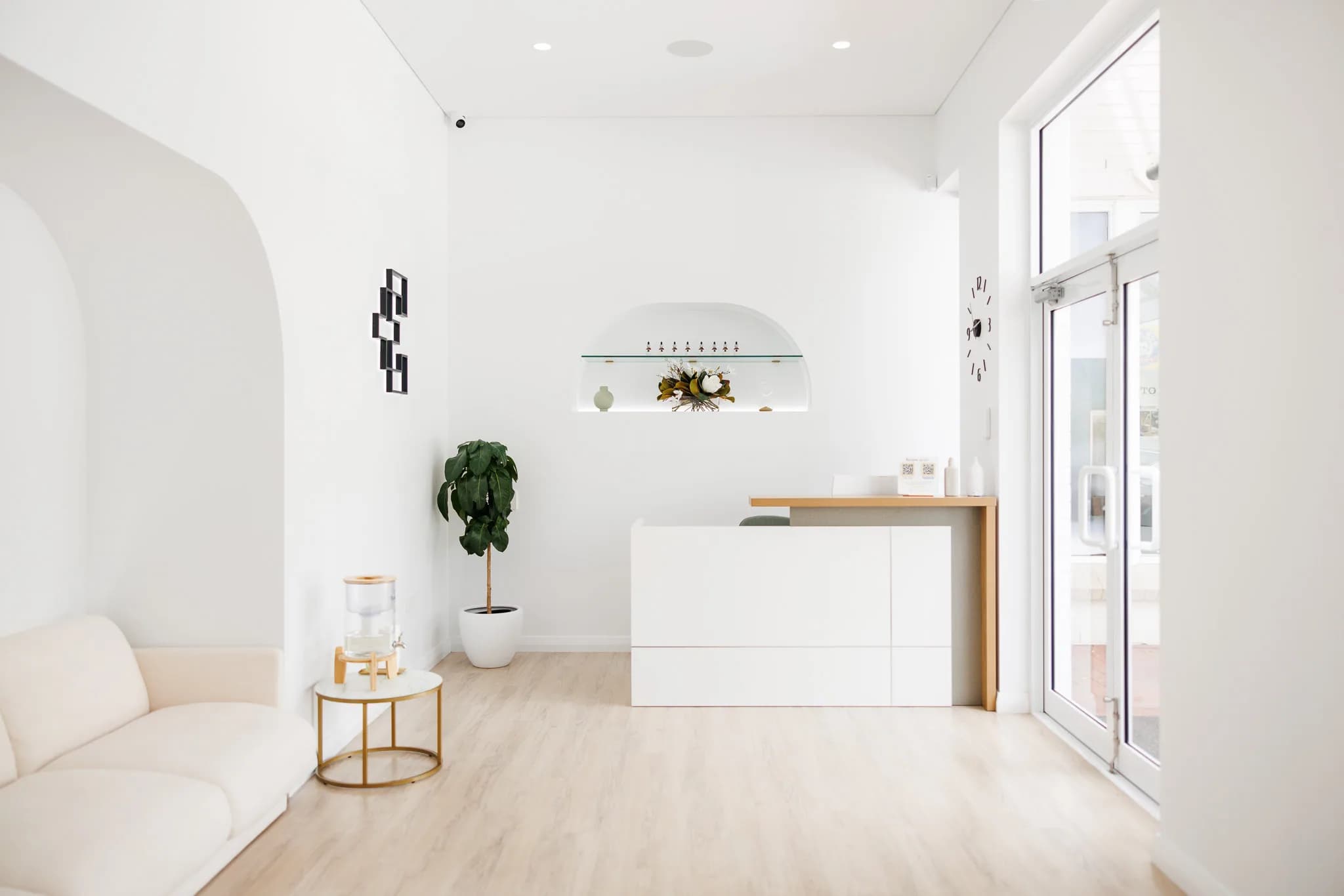
The Theta Chamber is currently located at Element Claremont, Perth, Western Australia.
Protocols that include Theta.
Theta appears inside protocols where recovery load, stress physiology, sleep, cognitive demand, or nervous-system regulation are part of the wider picture.
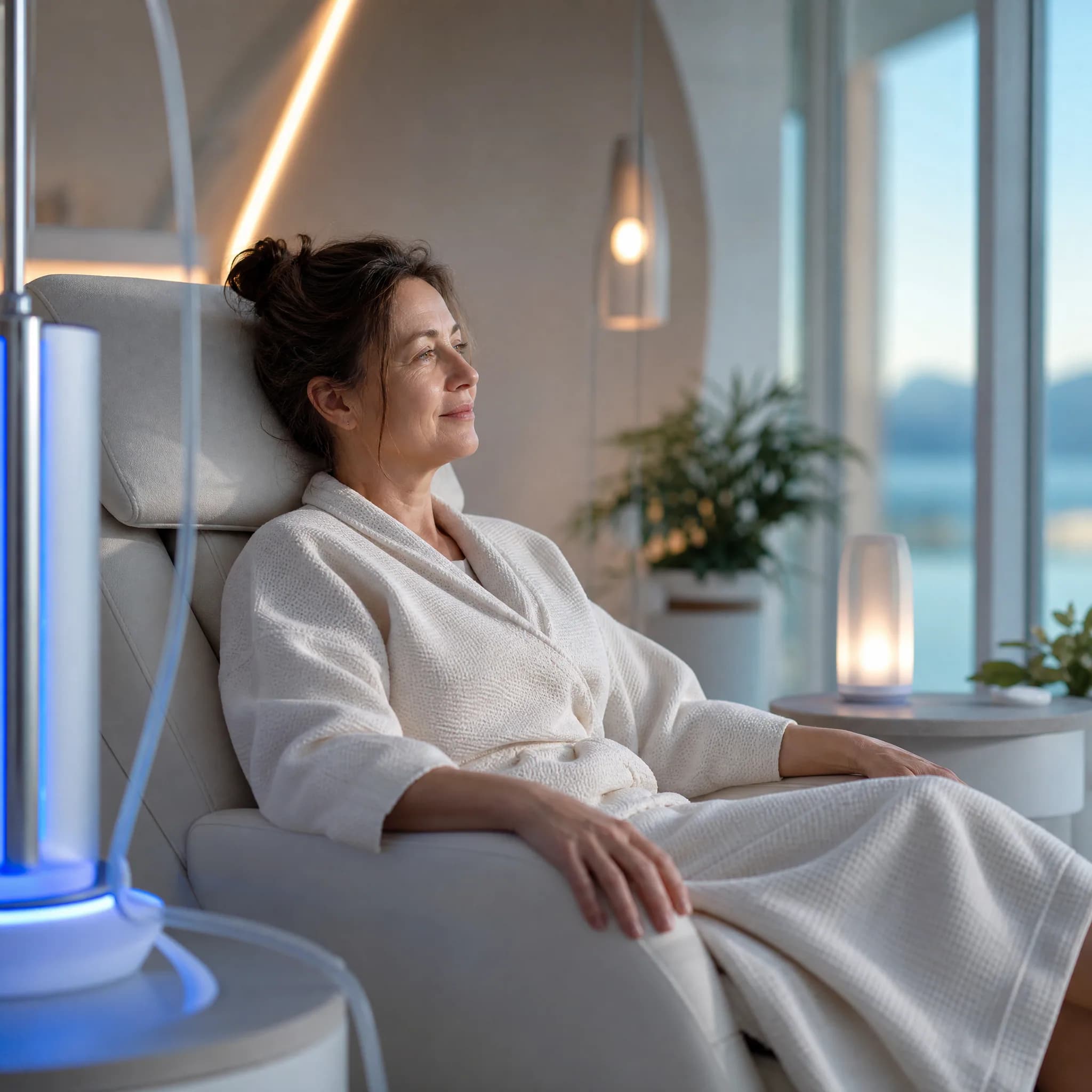
A gentler recovery pathway for people navigating burnout, prolonged stress, nervous system overload, fatigue, or periods where recovery capacity feels depleted.
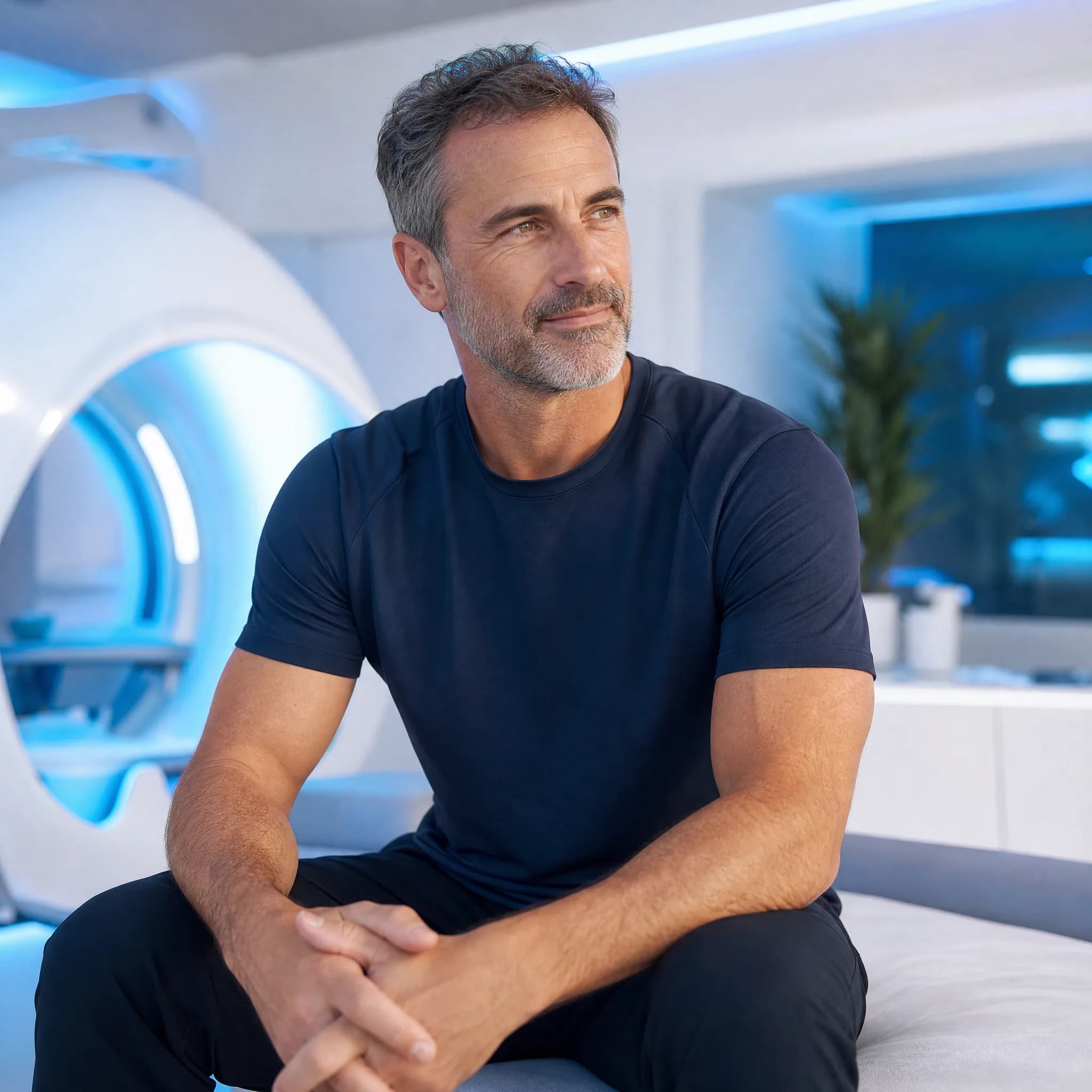
Structured recovery support designed to complement your existing rehabilitation, healthcare or performance plan.

A structured multi-modality plan designed to support skin health, circulation, cellular recovery, and recovery from ongoing inflammatory or environmental stress.
Speak with the team about Theta.
A short consultation can help determine whether Theta fits your goals, recovery capacity, and broader recovery plan.